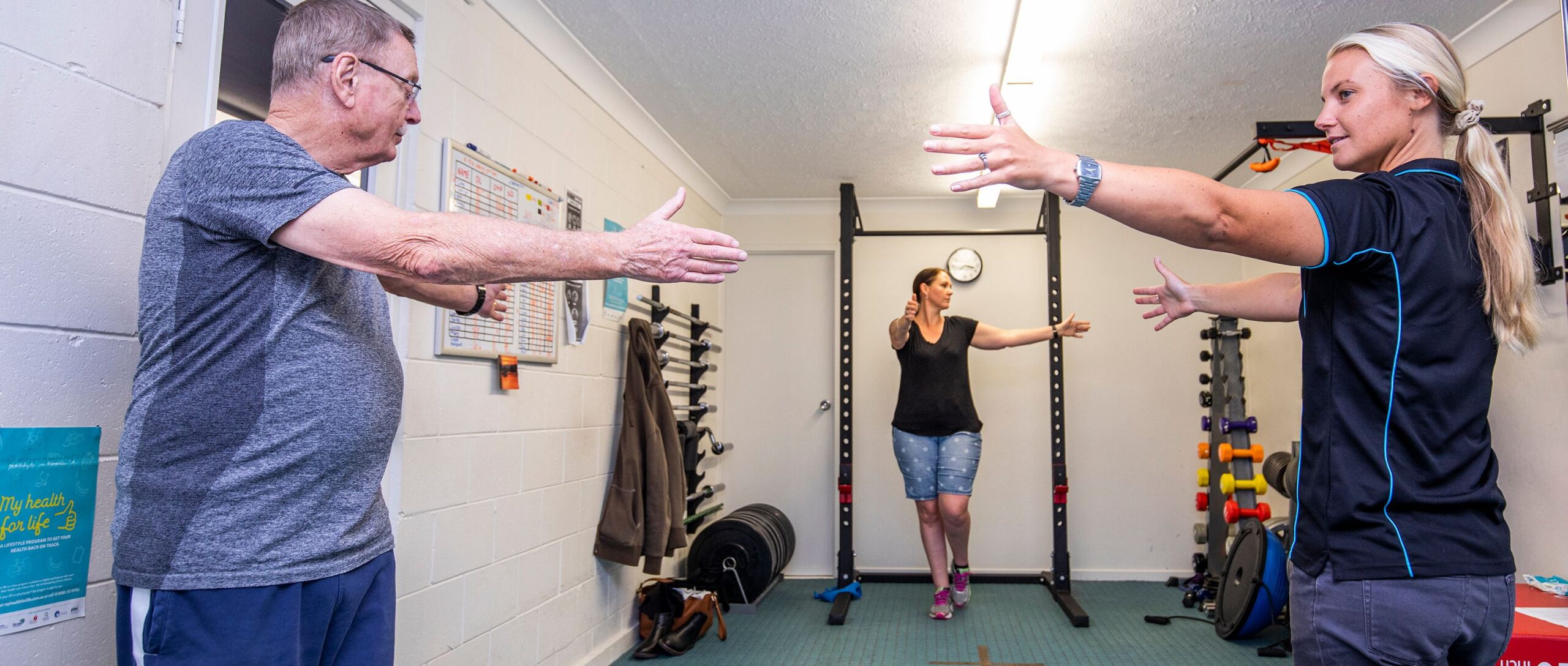
Lower Back Pain
Overview
Lower back pain is one of the most common reasons people seek physiotherapy. It can develop suddenly after lifting or twisting, or gradually over time due to posture, repetitive movements or reduced physical activity. While most cases improve with the right management, persistent pain can affect work, exercise and everyday life.
Symptoms
Symptoms can vary depending on the underlying cause and may include:
- A dull ache or sharp pain in the lower back
- Stiffness or reduced mobility
- Pain when bending, lifting or standing for long periods
- Muscle spasms
- Pain that may spread into the hips or buttocks
- Difficulty with everyday activities such as getting out of bed or putting on shoes
Causes
Lower back pain can result from many different factors, including:
- Muscle or ligament strain
- Poor posture or prolonged sitting
- Repetitive lifting or bending
- Sports or workplace injuries
- Age-related changes to the spine
- Reduced strength or flexibility
- Previous back injuries
Assessment
Your physiotherapist will begin with a detailed assessment to understand your symptoms, medical history and goals. This may include:
- Discussion of your symptoms and lifestyle
- Assessment of posture and movement
- Range of motion testing
- Strength and flexibility assessment
- Neurological testing where appropriate
If further investigation is required, your physiotherapist may recommend referral for imaging or to another healthcare professional.
When to Seek Professional Advice
You should seek professional assessment if:
- Your pain lasts longer than a few days or continues to worsen.
- The pain is affecting your work, sleep or daily activities.
- You experience recurring episodes of back pain.
- The pain follows an injury or accident.
- You develop numbness, weakness, changes in bladder or bowel function, or severe pain. These symptoms require urgent medical assessment.